
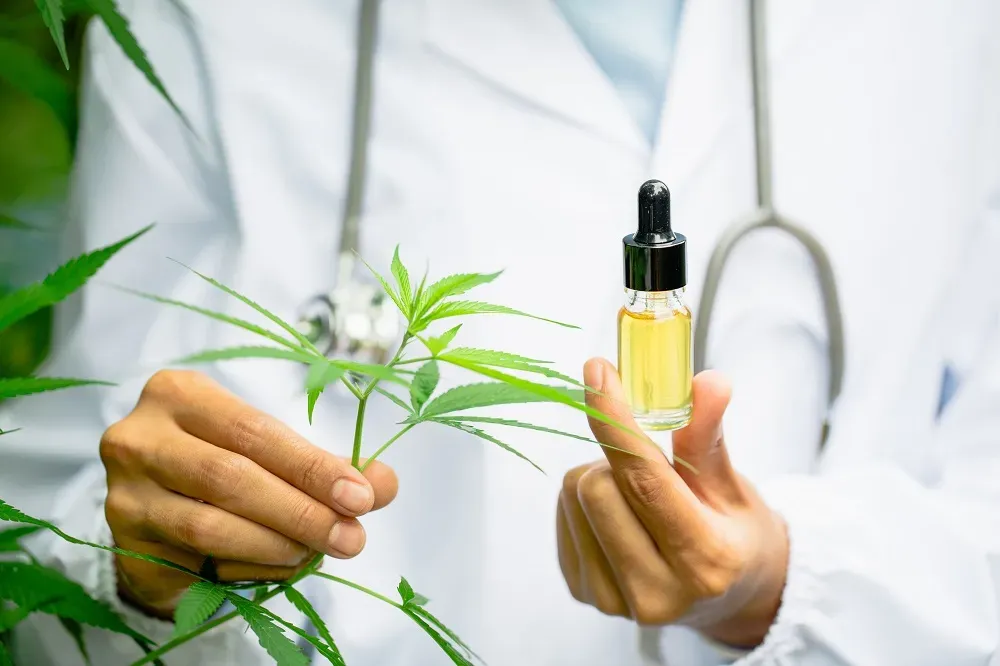
Inflammation is a natural biological response that helps the body heal from injury, infection, and stress. In the short term, it is essential for recovery. However, when inflammation becomes chronic, it can contribute to discomfort, reduced mobility, and long term health challenges. As more people seek natural solutions to support recovery, CBD has gained significant attention for its potential role in managing inflammation in a balanced and holistic way.
CBD, short for cannabidiol, is a compound derived from the hemp plant. Unlike THC, it does not produce intoxicating effects. Instead, it interacts with the body’s internal systems in subtle ways that may support overall wellness. Over the past decade, researchers and consumers alike have explored how CBD can be incorporated into daily routines to promote recovery and resilience.
Inflammation and Its Impact
Inflammation occurs when the immune system sends white blood cells and other mediators to protect the body from harm. Acute inflammation can be helpful. It appears as redness, swelling, and temporary discomfort after injury or intense physical activity. Chronic inflammation, on the other hand, may persist for months or even years, potentially affecting joints, muscles, and internal organs.
Lifestyle factors such as stress, lack of sleep, processed foods, and limited physical activity can all contribute to ongoing inflammatory responses. Many individuals now look for natural supplements to support the body’s own regulatory mechanisms rather than relying solely on conventional options.
How CBD Interacts With the Body
CBD works primarily through the endocannabinoid system, a network of receptors found throughout the body. This system plays a role in regulating mood, pain perception, immune responses, and inflammation. By interacting indirectly with these receptors, CBD may help the body maintain balance.
Research suggests that CBD may influence how immune cells respond to inflammatory triggers. Instead of shutting down the immune system, it may encourage a more measured response. This is one reason why CBD has become popular among athletes and individuals recovering from physical strain.
Interestingly, as the CBD market has expanded, industry analysts often discuss its rapid growth in financial terms similar to conversations about global net worth trends across wellness sectors. The increasing consumer demand reflects a broader shift toward plant based solutions for recovery.
CBD for Post Workout Recovery
Exercise is beneficial for health, yet intense training can cause temporary inflammation in muscles and joints. Many fitness enthusiasts use CBD oils, capsules, or topical creams after workouts to support comfort and relaxation.
Topical CBD products are often applied directly to targeted areas. This localized approach may be helpful for individuals dealing with muscle soreness. Oral forms such as tinctures or softgels provide systemic support and are commonly included in evening routines to encourage restful recovery.
Athletes and wellness advocates sometimes compare the popularity of CBD to digital trends that capture attention quickly, whether it is a new social platform like pinayflic or a viral feature such as snapchat best friends planets. In both cases, rapid awareness spreads because people find value in the experience.
Chronic Inflammation and Long Term Wellness
Chronic inflammation has been associated with conditions such as arthritis, metabolic imbalance, and autoimmune disorders. While CBD is not a cure, many individuals report that it complements other healthy lifestyle strategies.
Incorporating CBD into a broader wellness plan often includes balanced nutrition, regular exercise, stress management, and adequate sleep. Anti inflammatory foods such as leafy greens, berries, nuts, and fatty fish can work alongside supplementation to promote recovery.
The growing interest in CBD has also captured attention in financial publications and business news australia, where market expansion, regulatory updates, and consumer demand are frequently discussed. This commercial growth reflects not only economic opportunity but also a cultural shift toward preventive health practices.

Safety and Considerations
Before adding CBD to any routine, it is important to consider quality and transparency. Products should be sourced from reputable manufacturers that provide third party testing results. These reports confirm potency and purity, ensuring the product contains the stated amount of CBD and is free from harmful contaminants.
Dosage varies depending on body weight, individual sensitivity, and desired outcomes. Many people start with a low dose and gradually adjust as needed. Consulting a healthcare professional is advisable, especially for those taking prescription medications.
The Broader Wellness Movement
CBD’s rise aligns with a broader movement that values natural approaches to recovery. Consumers are increasingly interested in plant based solutions, mindfulness practices, and integrative health models. Discussions around wellness investments often mirror analyses of global net worth distribution within emerging health industries, highlighting how consumer priorities are evolving.
As scientific research continues, our understanding of CBD and inflammation will likely become more refined. While more large scale clinical trials are needed, early findings and user experiences suggest that CBD may play a supportive role in managing inflammatory responses.
Conclusion
Inflammation is a necessary biological process, but when it becomes chronic, it can interfere with daily life and overall wellbeing. CBD offers a natural approach that may help the body regulate immune responses and support recovery from physical stress. By integrating CBD with healthy lifestyle habits, individuals may find a balanced way to promote comfort and resilience.